|
|
|
|
|
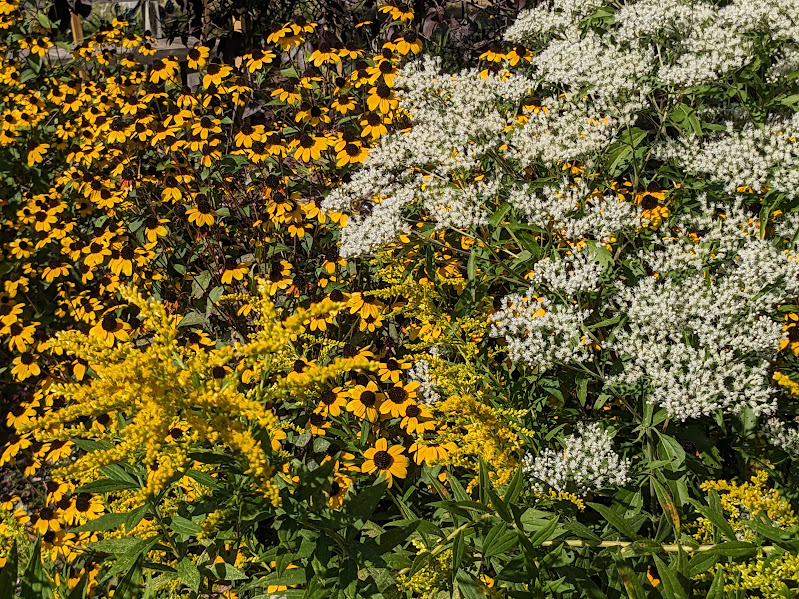
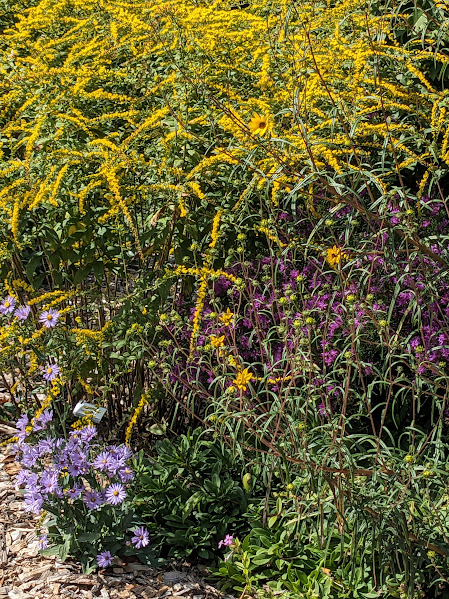
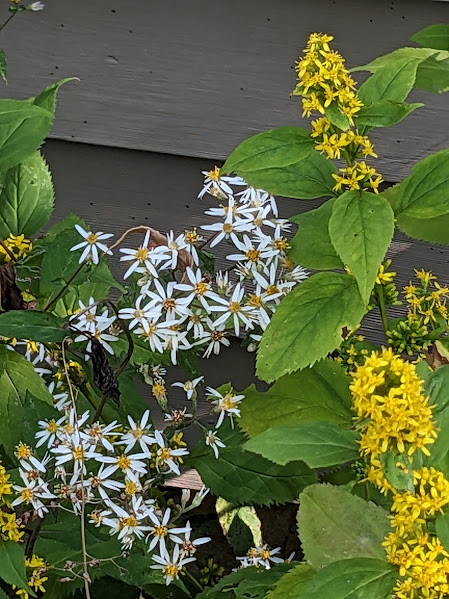
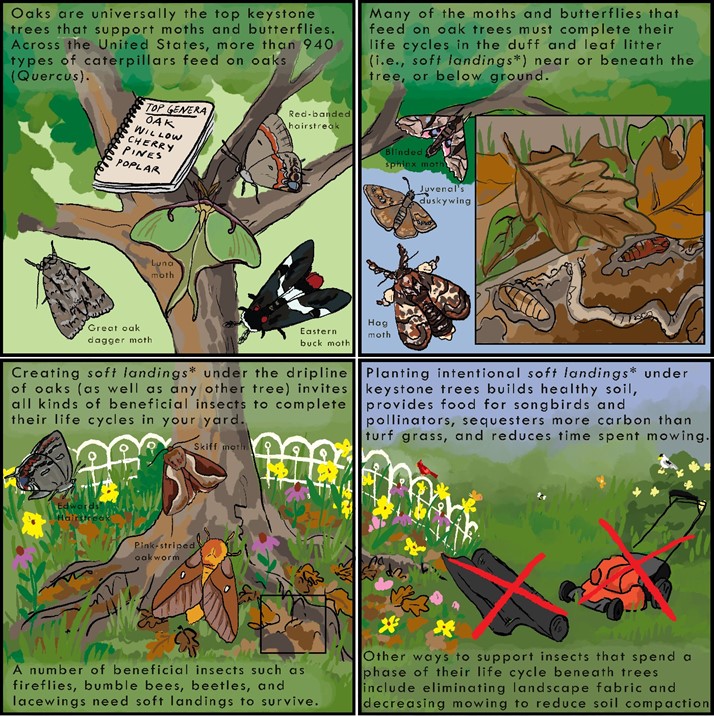
We are in the midst of aster and goldenrod season. The plants pictured above are white wood aster and zigzag goldenrod, two plants that are happy in the shade. Both are fine candidates to act as "soft landings" under a tree in your yard. The term "soft landings" was pioneered by bee expert Heather Holm and is used often by Doug Tallamy to describe the optimal conditions for overwintering insects. Heather Holm includes a useful graphic on her website to illustrate "soft landings," and I have copied it below.
|
I am bringing this up now because we are also entering leaf-blowing season, and a big part of the "soft landings" concept is leaf litter. The more we can acclimate ourselves to leaving whole leaves (not shredded) under trees, the more we can help insects complete their life cycles. Adding native plants under trees provides more food for insects and birds and more shelter for insect larvae when you leave the plants standing over the winter.
|
The bottom line when you are planting for nature: plant more, clean up less. The Xerces Society has an excellent free guide that explains everything we can do to create overwintering habitat.
|
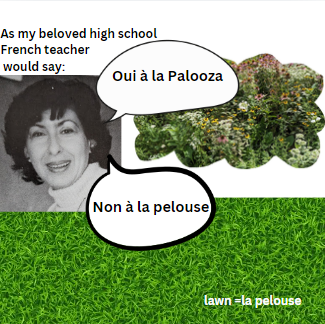
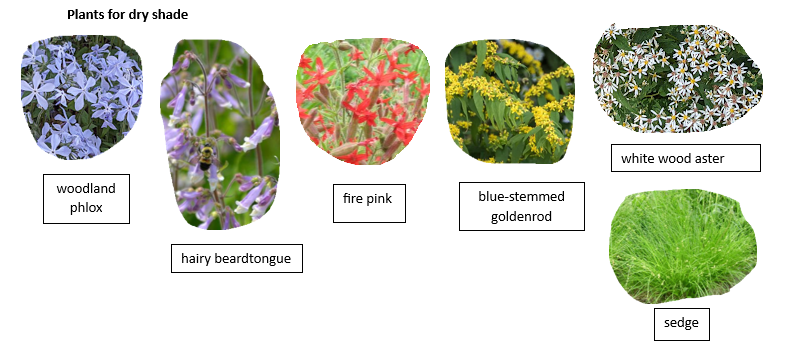
If you would like to add some plants in a dry shady spot under a tree, we are offering a Pollinator Palooza plant set for dry shade (see below).
|
|
Fall is a great time to add native flowers, shrubs, and trees to your yard, and another thing to consider when buying plants is how they are grown in the nursery. Many large nurseries use
|
Neonicotinoids or "neonics," a class of neurotoxic pesticides that permeate the plants on which they are applied, rendering the nectar, pollen, and fruit toxic. They can be applied to a plant's roots or coated on seeds. They are the most widely used insecticide in the world, and according to National Geographic, have made U.S. agriculture 48-times more harmful to insects. They persist in the soil, where they can be carried by rain into waterways.
|
Several scientific studies have linked neonic use to the catastrophic bee losses you may have read about. Neonic toxicity has also been linked to the significant bird declines we have seen in the last few decades. Standard chlorination water treatment does not remove neonics from drinking water. which leads to neurological harm in humans. Because they permeate the foods grown with neonic-coated seeds, they can't be washed off, and neonic residues contaminate produce and baby food.
|
When you buy plants from a local nursery, ask if their plants are treated with neonics. Journeywork sources all of its plants from nurseries that do not use neonics. The plants in Pollinator Palooza will come from Kind Earth Growers and North Creek Nurseries, both excellent nurseries committed to restoring ecology.
|
Keep reading to learn about our community celebration on November 2, more fall festivals where you can find us, an invitation to join our board, and photos from the recent native garden tour of the Woman's National Farm & Garden Association Ambler-Keystone Chapter.
|
|
|
|
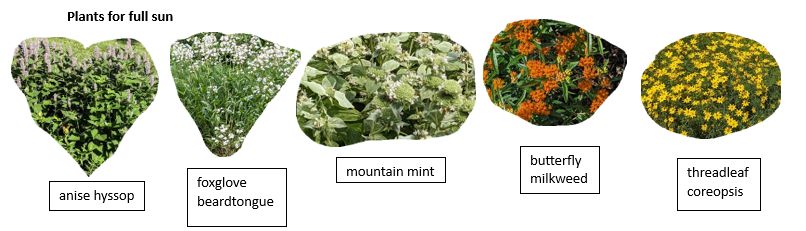
Still time to be part of the Pollinator Palooza!
|
|
|
We are offering the opportunity to replace 48 square feet of lawn with a beautiful pollinator garden until October 15.
|
Our goal is 100 yards across the Delaware Valley. Think of all that new pollinator habitat!
|
|
As of this writing, we have reached 70. We can do it!
|
|
|
|
|
|
|
|
|
We're having a party!
When: Saturday, November 2 from 2:00-4:00
Where: Plymouth Friends Meeting, 2150 Butler Pike, Plymouth Meeting
Join us to celebrate our community and all the native plants we have added to the land! Enjoy a talk and Q&A by John Janick, the owner of Good Host Plants, pick up some packets of native seeds collected by Paige, check out this year's Journeywork meadow installation at Plymouth Meeting Friends School, and eat and be merry!
|
|
If you would like to help with this event (and get in free), we need a few folks to prep seed packets, a ticket taker, and tech support. Please email paige@journeywork.org.
|
|
|
|
|
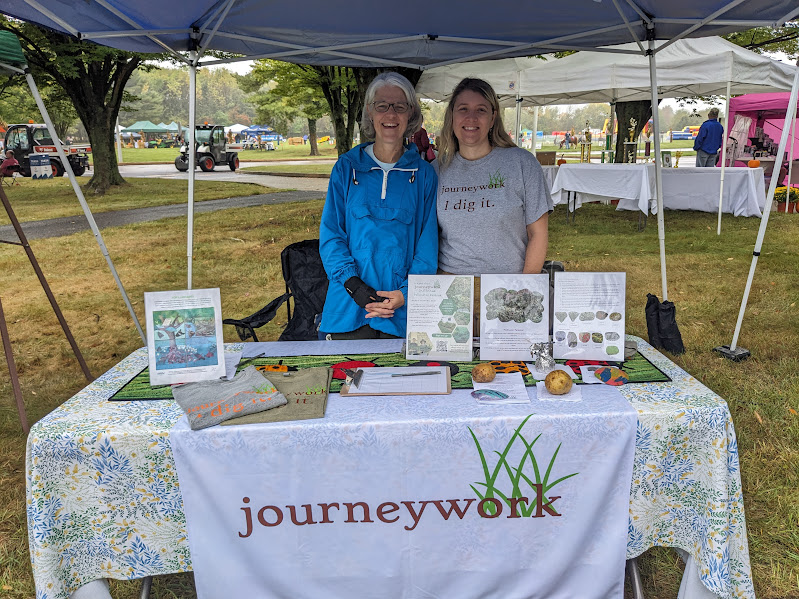
Two October Festivals
Not only will we be greeting community members in Lower Providence and Upper Gwynedd in the next few weeks, we will also be offering discounted Pollinator Palooza sets to Lower Providence Township residents! The Lower Providence Environmental Advisory Council is generously contributing $25 for each of 12 Pollinator Palooza plant sets, so 12 residents will only pay $50 for 28 native plants. What a deal!
|
|
|
|
|
|
|
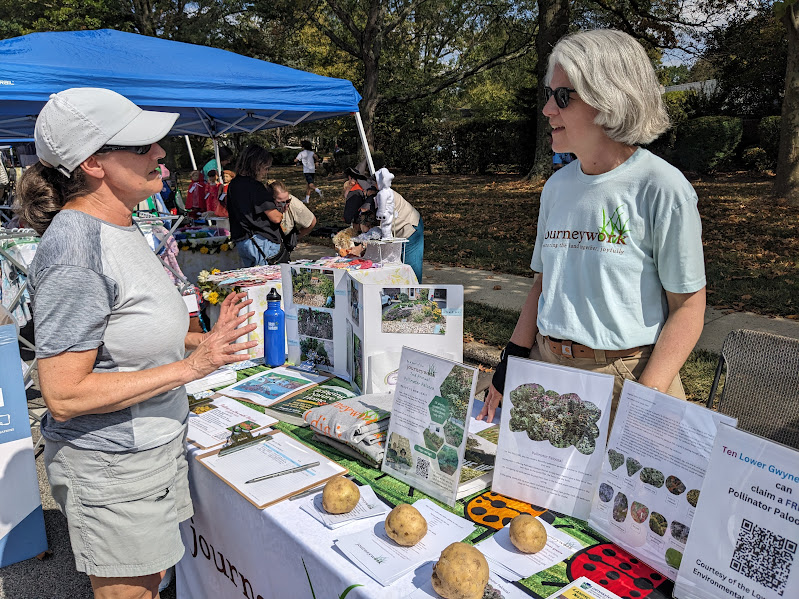
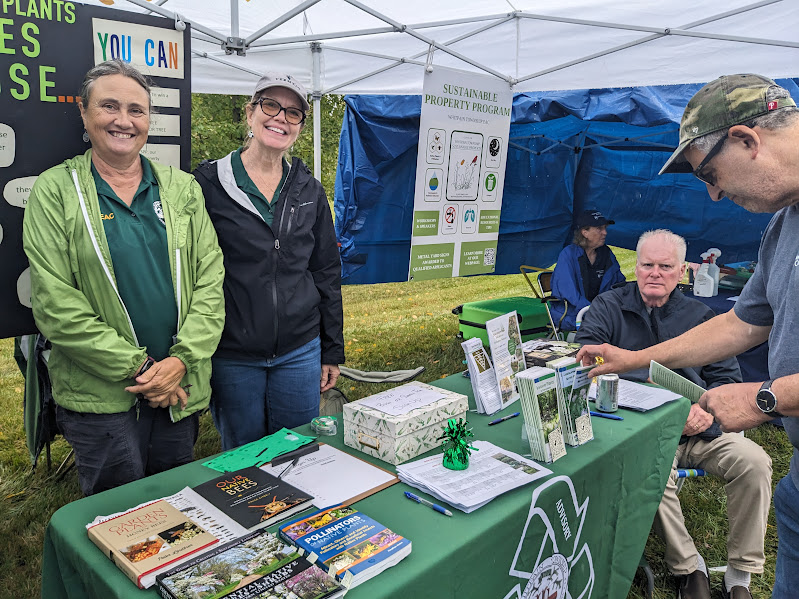
(above) We enjoyed talking to residents in Lower Gwynedd, where the Lower Gwynedd EAC gave away 10 Pollinator Palooza sets! And we had fun at Montco as part of the Whitpain Fall Fest "Environmental Row," where the Whitpain EAC raffled two Pollinator Palooza sets! Hats off to our local EACs!!
|
|
|
Want to join our board? A word from our Board Chair
|
Curious about the work of Journeywork's Board? Join us on Zoom for an open Board meeting on Wednesday, October 16 at 7:30 pm to observe and learn about the various ways we support Paige and our young organization. We especially hope that newsletter readers with previous nonprofit Board experience or skills they have been wondering how to share with Journeywork will join us. The Board is responsible for overseeing all financial and legal aspects of our organization and for strategic planning; we also provide hands-on support with website and tech assistance, communications, developing systems for documentation & record-keeping, active fund-raising, grant-writing and more, so that our sole staff member isn't overwhelmed at this stage in our development. We've been working together since February 2022 and loving it! You can check out the team here (click individual photos for profiles) and RSVP for the meeting by emailing jenny.isaacs+journeywork@gmail.com.
|
|
|
Nature's first green is gold
|
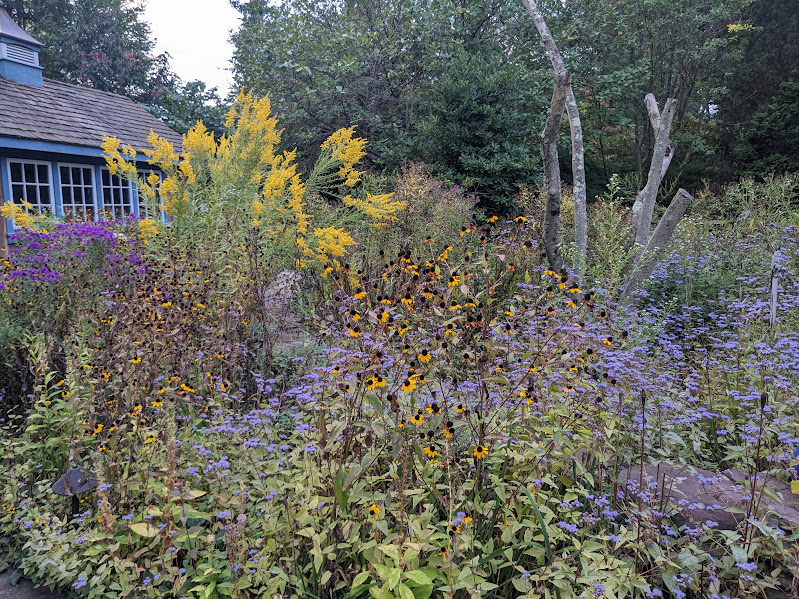
The WNFGA Ambler-Keystone garden tour on September 22 was awash in brilliant fall colors. The photos below are from (left) the demonstration garden at Twining Valley Park, (center) the yard of Joanne and Lee Pekter, and (right) one of many dazzling sections of Jenny Rose Carey's four-and-a-half-acre garden, Northview. I appreciate all the hard work that went into organizing this inaugural tour and am looking forward to next year!
|
|
|
|
|
|
|
|
Fall and winter are great times to remove invasive species in your yard and prepare new planting areas for the spring.
|
|
Journeywork can help! Call us for a consultation.
|
|
|
|
|
|
|
Blue Bell yard in The New York Times
|
Sara Weaner Cooper and Evan Cooper turned their front lawn into a meadow, and Margaret Roach wrote an excellent article about it. They had the assistance of Sara's dad, Larry Weaner, a renowned landscape designer, and they are offering a webinar about their experience on November 21, through New Directions in the American Landscape, the organization Sara directs.
|
|
|
|
If Journeywork inspires you to sheet mulch, start seeds, or plant some native plants in your yard, please send us a picture! Let's celebrate and support each other!
|
|
Consider donating to support our outreach efforts--thank you!
|
|
|
|
Follow us on social...
|
 
|
|
|
|
|
|
|