|
|
|
|
|
Laura Russo, Assistant Professor of Ecology and Evolutionary Biology at the University of Tennessee, has some great news. She studies pollinators and their habitat, and she wanted to figure out if pollinators care where our gardens are. Do they prefer gardens surrounded by more gardens, or will they find the one native plant garden in the neighborhood?
|
It turns out that they don't care! Laura's research team planted five gardens (10 feet by 6 1/2 feet) around eastern Tennessee and monitored them for three years. The surroundings ranged from cow pasture to arboretum, and each garden plot contained the same 18 native flowering species. Remarkably, pollinators visited every garden plot in similar numbers and diversity.
|
She explained how flowers in three main plant families--mint, sunflower, and pea-- meet different nutritional needs for pollinators. Mints provide carbohydrates for flight with their sugary nectar. Plants in the sunflower family offer easy-to-get fats and protein to a wide range of pollinators, and plants in the pea family, such as blue false indigo (Baptisia australis), contain pollen with high protein content for bumblebees and butterflies.
|
Our Pollinator Palooza sun set includes flowers in the mint and sunflower families (mountain mint and coreopsis). Because of Laura Russo's exciting research, we are going to add one blue false indigo plug to the sun set.
|
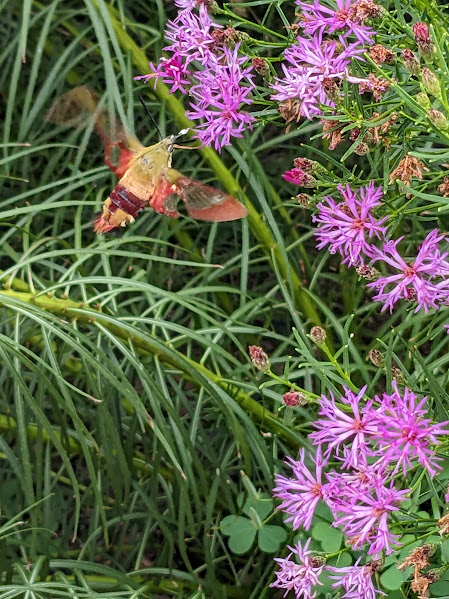
I chose to include the photo above of the hummingbird clearwing moth sampling the ironweed because it mirrors Laura Russo's findings. That moth found that one native garden in a development almost exclusively planted in lawn and non-native shrubs. Maybe we have found our poster child for the power we each have in our own yards to affect change. And if you don't own a yard, you can help someone who does.
|
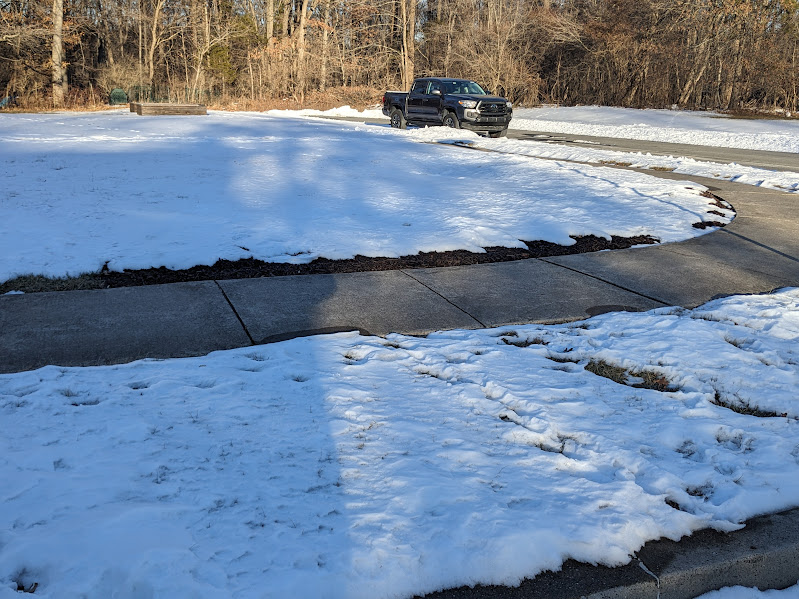
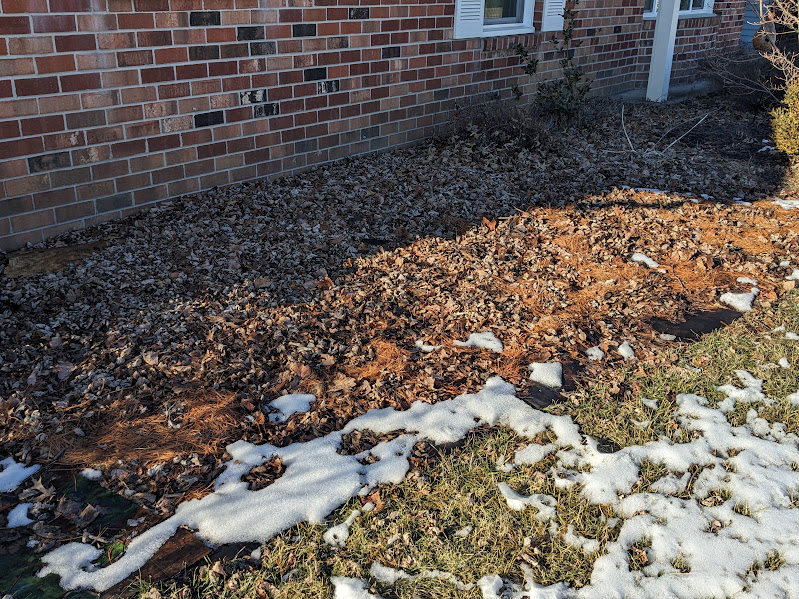
Below are two Journeywork yards with garden beds prepped, waiting to be filled with asters and goldenrod, butterfly weed and mountain mint. Waiting to become habitat for wildlife, as glorious as a hummingbird clearwing moth.
|
It is not too late to plan for spring planting with Journeywork. Click the button below to get started.
|
|
|
|
|
|
|
|
|
|
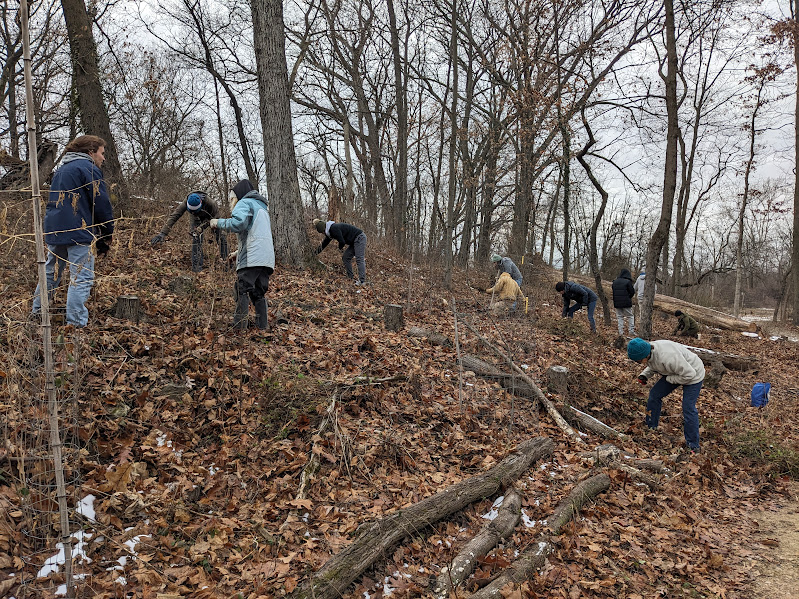
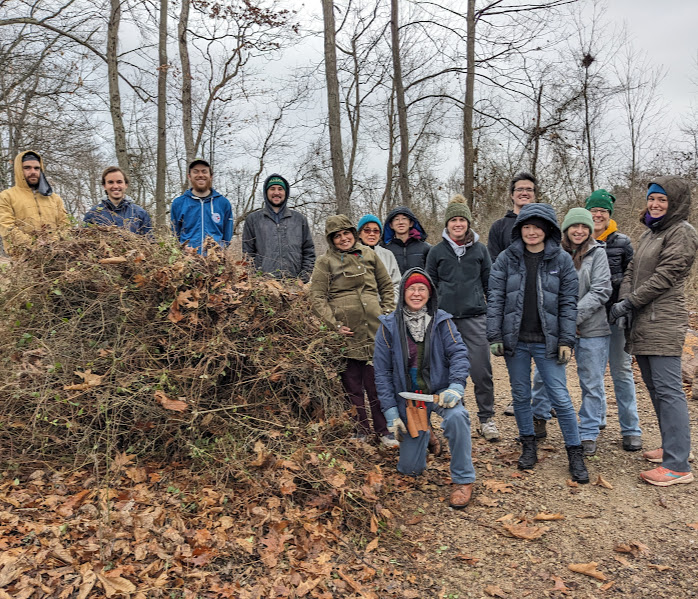
Thirteen volunteers from Journeywork and Community Canopy Project had a terrific time removing English ivy and honeysuckle vine from a woodland at Harriet Wetherill Park in Plymouth Meeting on January 18.
|
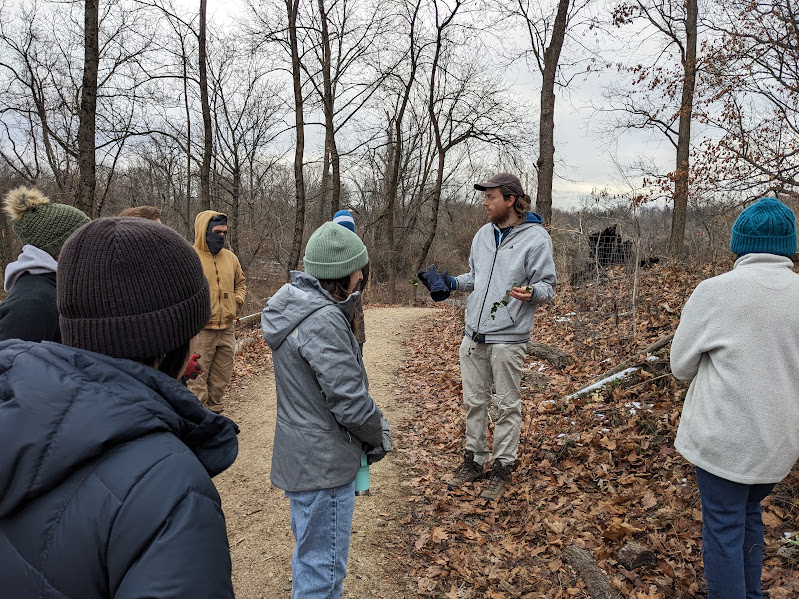
Andrew Conboy, who is an arborist and President of Community Canopy Project, told us about the native trees in the area and the spring ephemeral flowers, such as trout lily, that will have more space with fewer vines on the ground.
|
Check out Andrew's handy video tutorial about removing English ivy from trees.
|
|
Many thanks to all our volunteers and our
|
|
|
partners at Community Canopy Project!
|
|
If you have an invasive species removal project that you would like help with, let us know!
|
|
|
|
|
|
|
|
In the spotlight:
Kind Earth Growers
|
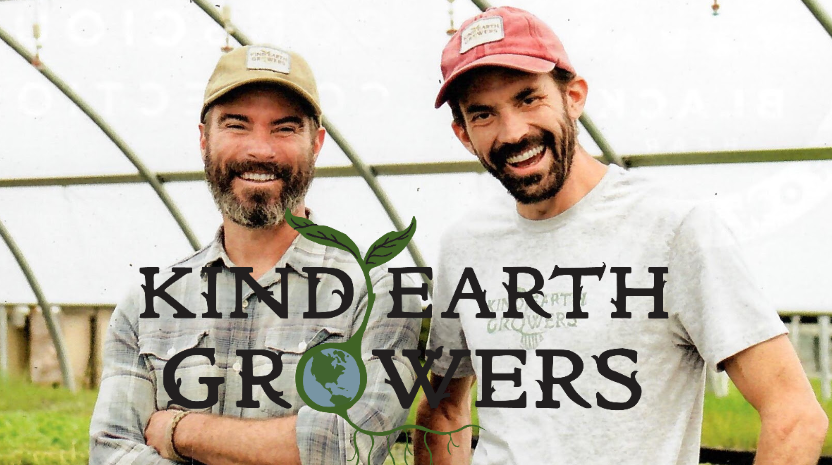
John Mark Courtney (left) and Joseph LaMent grow most of the plants in our Pollinator Palooza sets and many of the flowers and sedges that we plant in Journeywork yards.
|
|
|
|
|
Their wholesale nursery, Kind Earth Growers, is located in Ottsville, Pennsylvania. John kindly answered a few questions about their work with native plants.
|
|
|
What inspired you to start a nursery to propagate native plants?
|
I was a graduate of Environmental Design at Delaware Valley University ’98 and was fortunate to have had Doug Kane as an advisor, professor, and friend. Doug was a student of Ian McHarg, the Scottish landscape architect who pioneered the ideas of ecological plant communities in urban planning. My education was filled with great classes to help grasp the concepts of major native plant communities, geology, soil, and climatology. Through these classes and many hours spent in natural areas, I quickly began understanding the important roles these plant communities played in the broader environment. I also had the great pleasure to intern at Bowman's Hill Wildflower Preserve in ’97, further deepening my appreciation of native plant communities and sowing the seeds of propagation in me. Upon graduation I accepted a job as a nursery manager at Aquascapes Unlimited, growing aquatic, carnivorous, and wetland plants for habitat creation and stormwater management projects. Twenty years later I purchased the native plant assets of Aquascapes Unlimited and founded Kind Earth Growers to continue pursuing my passion for native plants and growing a more diverse palette of plants to fill every habitat in the Piedmont. It’s been a 27-year-long passion of mine.
|
|
You grow landscape plugs. How are they different from the potted plants one can buy at a garden center, and what are some advantages to planting with landscape plugs?
|
Kind Earth is a wholesale nursery that supplies “landscape sized plugs” for contractors, gardeners, and re-wholesalers. Planting plugs have many advantages over larger pot sizes. First, there is a better soil to root ratio in the plug and once planted the roots acclimate to the native soil faster and establish quicker than a gallon or quart size perennial. Second, it is more economically efficient to install, given the savings on digging, transporting, and post install waste. Finally, installing a landscape plug creates the least amount of disturbance under tree and shrub roots where a delicate touch is often required.
|
|
Why is it important to look for seed-grown plants?
|
Seed grown plants offer greater genetic diversity and ultimately lead to the preservation of a resilient gene pool.
|
|
Do you have a favorite fact about one of the plants in our sun set and one of the plants in our shade set? (Our sun set includes Pycnanthemum muticum, Penstemon digitalis, and Agastache foeniculum. The shade set includes Penstemon hirsutus, Solidago caesia, Phlox divaricata, Eurybia divaricata, Carex rosea, and Silene virginica.)
|
Eurybia divaricata (white wood aster) is the host plant for Pearl Crescent and Checkerspot butterflies. Pycnanthemum muticum (mountain mint) is by far the best plant for flower duration and insect visits; for this reason and many more it was named Perennial Plant of the Year 2025!!
|
|
Can you share a piece of advice for someone starting to add native plants to their yard?
|
|
My best advice for anyone starting out in native plantings Is to be patient and always leave room for serendipity to occur in the garden. When plants are left to go to seed in the fall, there is a good chance the lucky seeds will find a comfortable place to germinate around the garden, Begin to identify these young seedlings and welcome the free plants you will receive through serendipity.
|
|
|
|
|
Upcoming events
|
**If you would like to help with our spring gathering or tabling on March 8 or April 2, please let me know, paige@journeywork.org. Thank you!
|
|
|
|
- Penn State Extension webinar about invasive species on Friday, February 7 at 1:00. More info here.
- Spring Has Sprung! at Fox Chase Farm on Saturday, March 8 from 9-2:00.
- Get your ticket for our spring gathering on Saturday, March 22, 9:00-11:00, at Plymouth Friends Meeting. Become a Journeywork member and get a discount!
- Doug Tallamy on Wednesday, April 2, 6:00: speaking at Delaware Valley University, hosted by the university and the Bucks County Foodshed Alliance--we will have a table there! More info here
|
|
|
|
|
News from our board
|
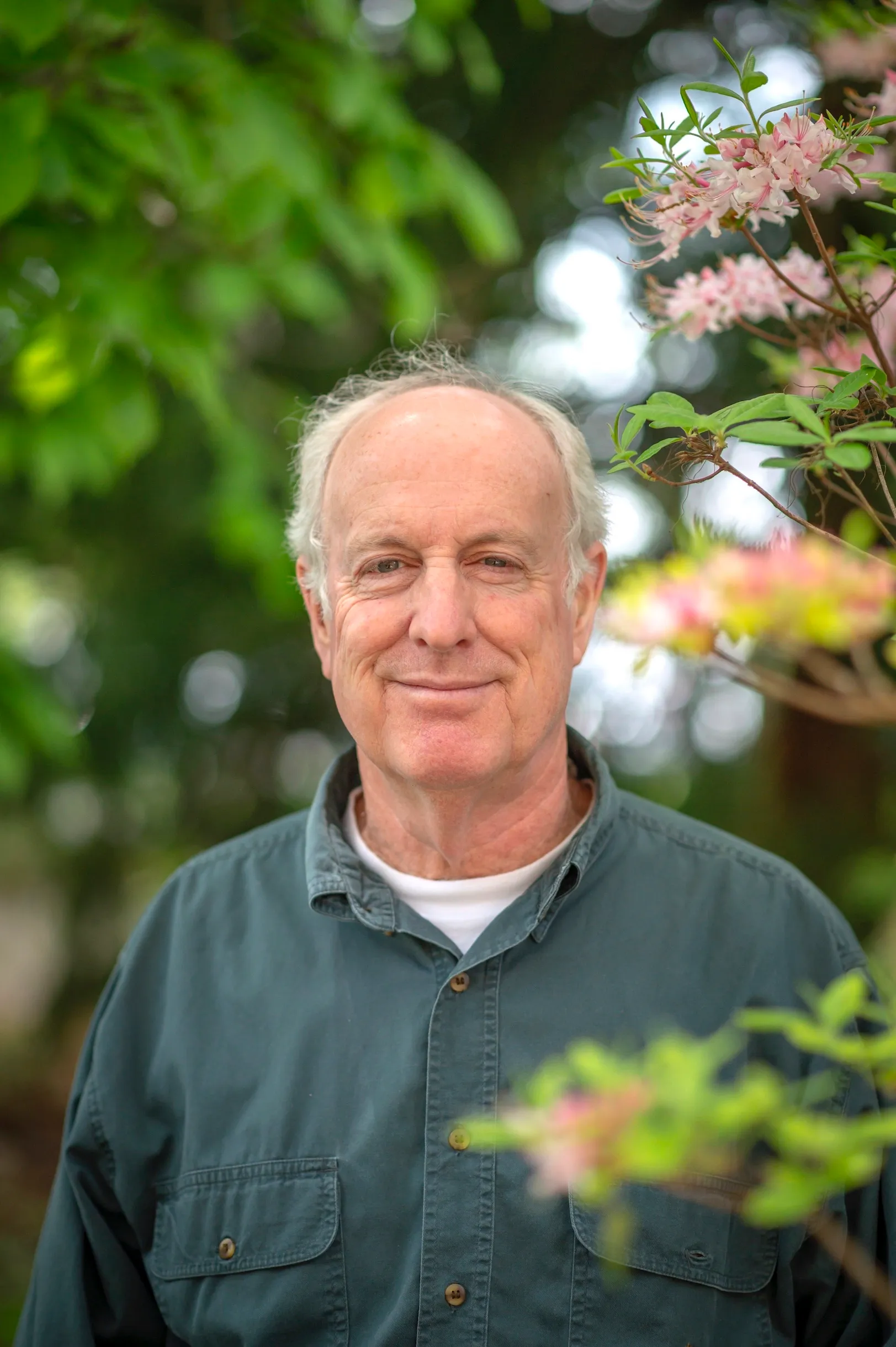
The board and I want to share our gratitude and appreciation for the work that Rachel Cochran has done as our Vice Chair for the past three years. Rachel created our member surveys and analyzed them so that we could improve our service to you. She is moving on to other activities, and we will miss her keen insight, sharp questions, and humor. Perhaps she will send the newsletter a photo of her native shade garden in Birmingham!
|
|
|
|
|
A few things I learned at the NDAL Symposium
New Directions in the American Landscape held their annual symposium at Temple Ambler on January 9 and 10. It was packed with useful information and compelling stories. Here are a few items from my notes.
|
|
*The Temple Ambler Arboretum established a precedent with FEMA after the tornado that tore through campus in 2021. Prior to their claim, FEMA did not cover tree replacement, but Temple argued successfully that the trees were essential teaching tools. More about their recovery here.
|
|
* Wagon Landscaping, based in Paris, “unseals” gardens by breaking up asphalt in urban areas and planting among the shards of paving.
|
|
* The Clifton Institute in Warrenton, Virginia convinced a school district to stop mowing a play field so that students could study the wildlife there and compare it to the mowed field next to it. The project is called Lawn Lab.
|
|
|
|
|
|
Going Green Award
|
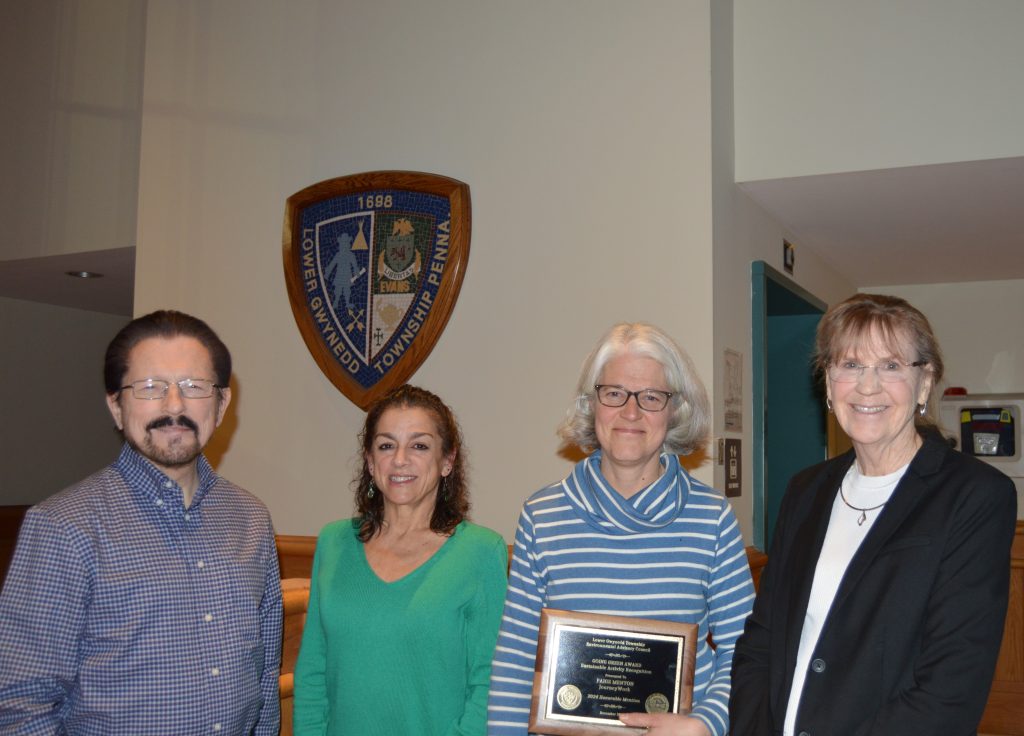
On January 28, the Lower Gwynedd Township EAC awarded Journeywork an honorable mention for their Going Green Award, which recognizes organizations and businesses in the township that are implementing sustainable practices. Thank you, Lower Gwynedd EAC!
|
|
|
|
|
|
Monarchs find ally in Department of Defense
|
|
|
|
|
If Journeywork inspires you to sheet mulch, start seeds, or plant some native plants in your yard, please send us a picture! Let's celebrate and support each other!
|
|
|
|
|
|
Follow us on social...
|
 
|
|
|
|
|