|
|
|
|
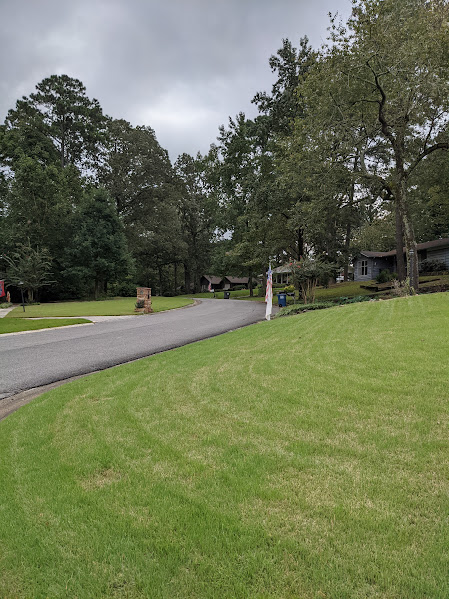
One of my earliest memories of learning an interesting new word came when I moved to the neighborhood above at age five, and my parents said that we had "zoysia." I thought our zoysia grass represented the natural world as it had always been in Birmingham, just like I believed that kudzu had always covered the trees.
|
Another early memory that I probably share with many readers of this newsletter is carrying a mayonnaise jar with holes poked in its lid across this lawn on summer evenings, chasing fireflies, or lightning bugs, as I knew them.
|
We now know that more of one has led to less of the other. Our allegiance to growing and maintaining lush turf monoculture has been a major factor in the sharp decline of fireflies over the last few decades. Firefly larvae need leaf litter for cover while they develop, not turf. The pesticides we use to kill mosquitoes and maintain our lawns kill firefly larvae and the insects they rely on for food.
|
I am writing about this charismatic beacon of summer now because our behaviors now impact how many fireflies we see next summer. We need to leave our leaves, and new research suggests that we need to leave them as whole leaves, as much in place as we can, as Margaret Roach outlines in her recent New York Times article, "Why Leaving the Leaves is Better for Your Yard."
|
Max Ferlauto, a Maryland entomologist studied 20 square-meter plots in residential yards. Leaves were left in some and removed from others. He counted the insects that emerged in the spring from each, and the results were staggering.
|
|
|
“When you remove the leaves, instead of retaining them,” Dr. Ferlauto said, “you reduce the number of moths by 45 percent, the number of spiders by 56 percent on average, the average number of beetles by 24 percent.”
Besides those declines in abundance — the total number of individuals — there was also a reduction in species richness, the diversity within each group. In butterflies and moths, for example, that fell by 44 percent.
|
|
Shredding your leaves, it turns out, is just as bad as removing them because you may be inadvertently shredding overwintering cocoons and larvae. If you have to remove leaves from an area of your yard, rake whole leaves and move them to a garden bed. Rake them under trees and create new habitat.
|
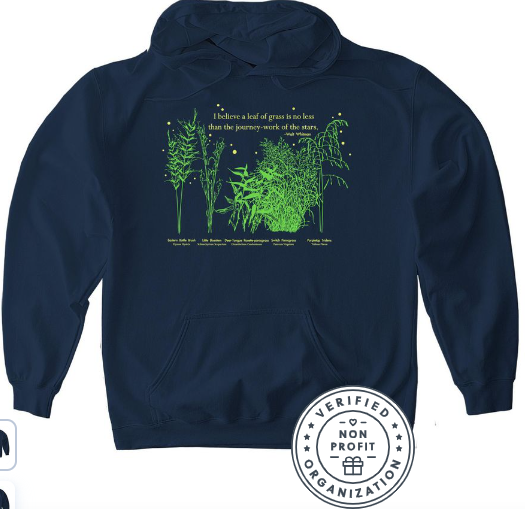
And if this sounds like a big ask, come to our fall gathering on Saturday, listen to Katie Fisk share the joys that come with this kind of yard care, relax, and celebrate the biodiversity you are helping to restore. Then buy one of our new shirts or hoodies to celebrate fireflies and the "journey-work of the stars."
|
We can make a difference every day in our own yards through the habitat we create.
|
|
|
|
|
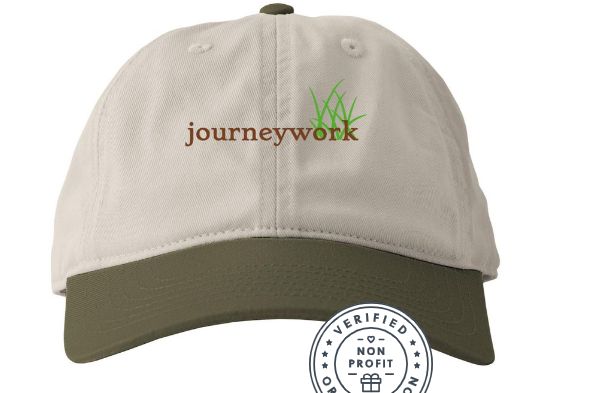
We have a new shirt and hat!
|
Featuring the line from Walt Whitman's "Song of Myself" that inspired our organization's name, this shirt designed by Stacy Kent Wyckoff depicts five native grasses that provide habitat for fireflies and other wildlife. Fireflies need grasses of varying heights for perching, and they need you to leave your leaves over the winter to protect their larvae. Our campaign includes short-sleeve shirts, long-sleeve shirts, hoodies, and crewneck sweatshirts and runs until November 11. Show your support for healthy habitat and help us create more!
|
|
|
|
|
|
|
Come celebrate plants and community this Saturday!
|
|
Please join us for our free fall community gathering on Saturday, November 1 from 3:00-5:00 at Plymouth Friends Meeting, 2150 Butler Pike, Plymouth Meeting.
|
It is a time to celebrate what we have accomplished this season, give thanks to our tremendous volunteers, swap seeds, enjoy refreshments, and learn from our engaging speaker Katie Fisk about how we can invite wildlife into our yards. Please RSVP to me if you would like to attend.
|
Habitats offer wildlife the food, water, shelter, and space that they need in order to survive. Learn how to add each of these elements to your living space no matter where you live. From the basics of bird feeding, to brush piles, to offering (and managing) water through a bird bath, DIY pond, or rain garden, you can turn your yard into a 5-star wildlife resort!
|
|
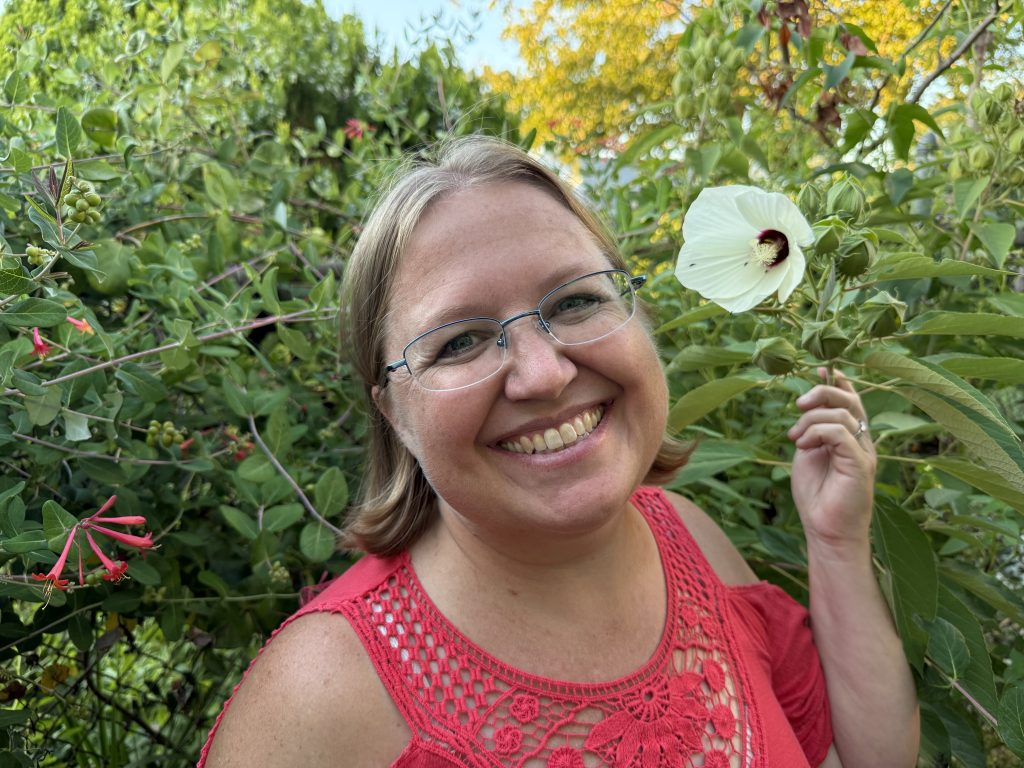
Katie Fisk has a BS in Wildlife Biology, a MS in Environmental Education and Interpretation, and has been an environmental educator for nearly 20 years. She loves connecting people of all ages to nature and helping them make new discoveries about the world around them. At home, her greatest passion is working in her native garden and observing all the birds, bugs, and flowers it supports. She is proud to be the recipient of the 2025 Land Ethics Award for Individual Effort.
|
|
|
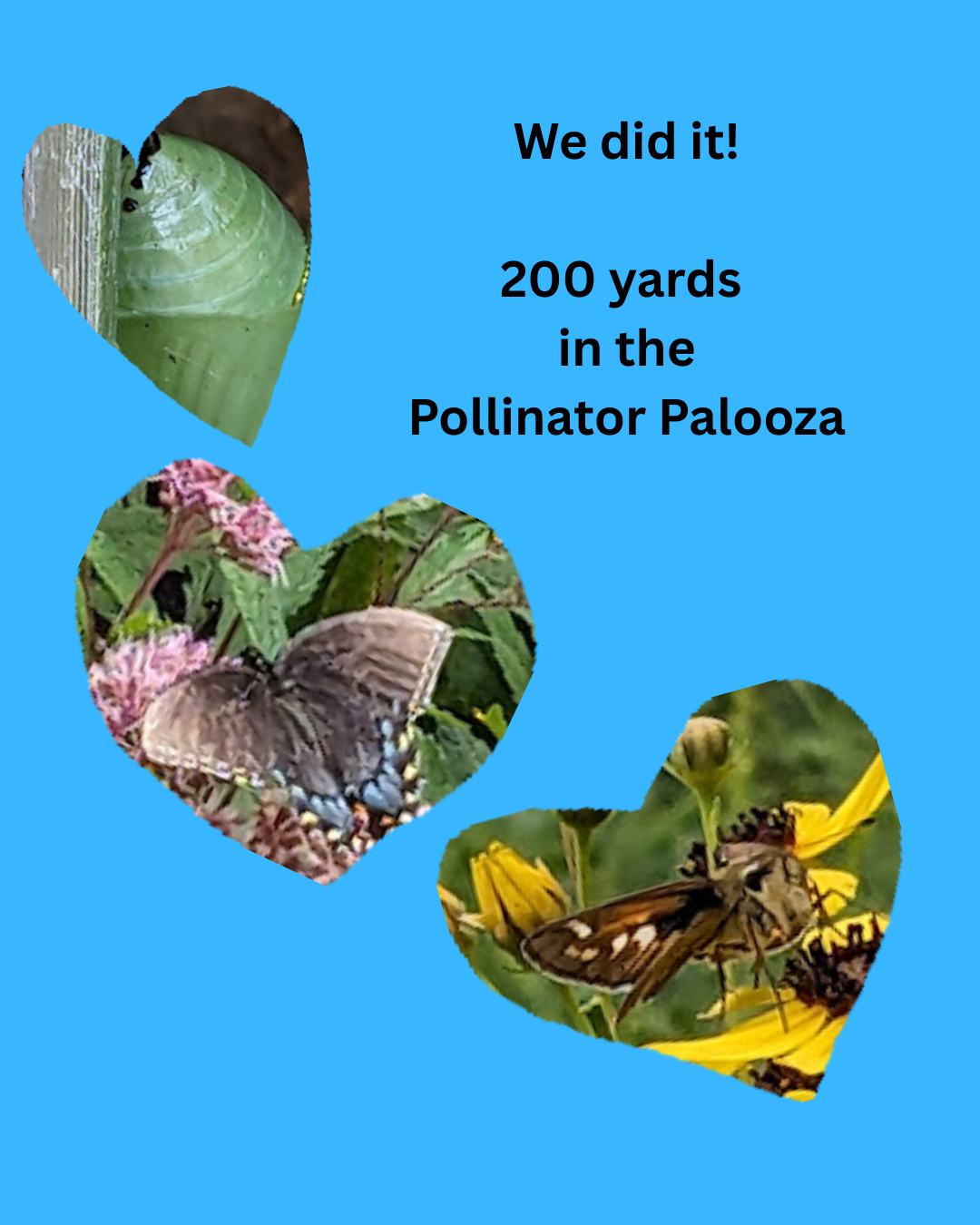
202 yards joined the Palooza!
|
|
|
Our first Pollinator Palooza in 2023 included 46 yards. Last year, 105. It felt wildly ambitious to think that we could sign up 200 yards this year, but thanks to all of you who registered, shared our newsletter and social media posts, and to all of the EACs and other environmental organizations who promoted this program, we surpassed our goal!
|
This represents 5,656 more native plants providing food and shelter next summer in our community, offering beauty for us, and yielding seeds to share with neighbors and friends.
|
|
|
|
|
Keep those garden photos coming!
|
|
|
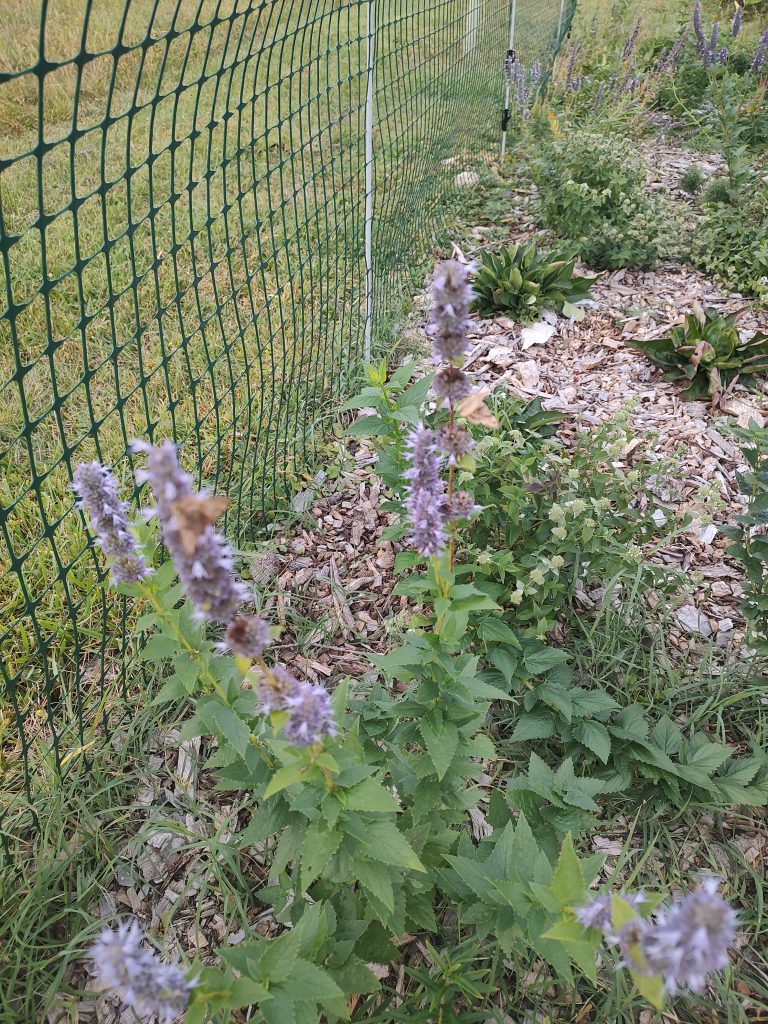
Speaking of food and shelter, Rachel in Whitpain Township shared photos of the first season of her Pollinator Palooza garden, including this photo of bee powerhouse, anise hyssop (Agastache foeniculum).
|
Anise hyssop is a member of the mint family, which makes it pleasantly repellant to deer. It hosts three species of butterflies and moths, and its long-lasting flowers attract a wide variety of bees, butterflies, moths, and hummingbirds. You can also make tea with the leaves and garnish a salad with the flowers!
|
|
Thanks for sharing, Rachel!
|
|
|
|
|
|
Visit me at these upcoming author events
|
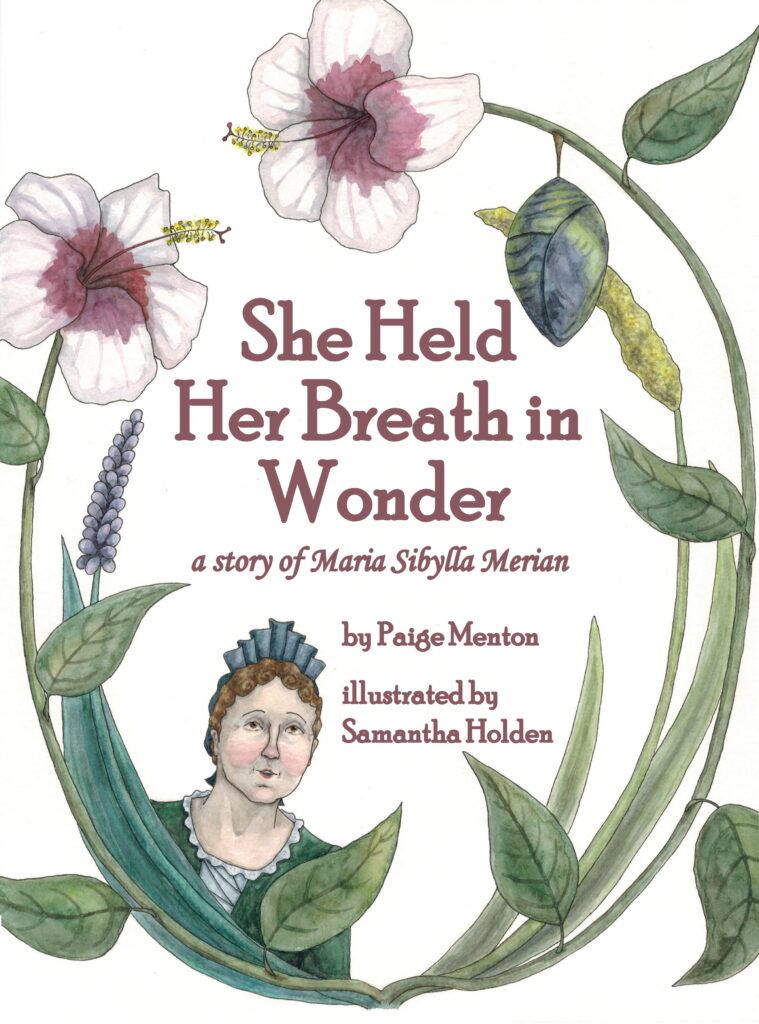
I will be participating in two local author events in the next couple of weeks with my children's book, She Held Her Breath in Wonder. Proceeds from book sales benefit Journeywork. Stop by my table at Upper Dublin Library on Saturday, November 8 or at Abington Friends Meeting on Sunday, November 16 and say hello!
|
|
|
|
|
|
|
the Journeywork journey
|
Now is time to make plans for invasive species removal this winter--Journeywork can help with that! We are also doing consultations now for spring planting.
|
|
|
|
|
It is not too late to become a Journeywork member and get 10% off plants from Edge of the Woods Nursery and Good Host Plants.
|
|
|
|
|
We have 587 newsletter subscribers now--woo hoo! As soon as we went over 500, the fee to send the newsletter doubled. If you have enjoyed our newsletter, please consider making a donation to help us cover our costs.
|
|
|
|
|
|
|
|
If Journeywork inspires you to sheet mulch, start seeds, or plant some native plants in your yard, please send us a picture! Or a donation! Let's celebrate and support each other!
|
|
|
|
|
|
Follow us on social...
|
 
|
|
|
|
|